Many hemp-derived THC beverages on shelves today appear to be falling short of the doses promised on labels.
Future Nutra Foundation (FNF), an independent nonprofit supplement testing organization, today announced the results of a new multi-laboratory investigation into the accuracy of hemp-derived delta-9 THC beverage potencies.
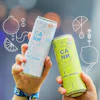
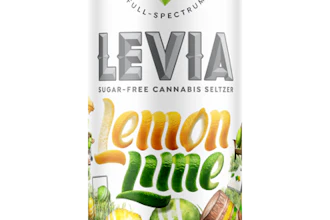
FNF said it purchased 21 popular hemp-derived THC beverages from retail and online channels and submitted matched batches to three separate ISO/IEC 17025-accredited laboratories for potency testing. Only 4 of the 21 products (19%) fell within a 90-110% accuracy window relative to their labeled Δ9-THC content, the range FNF defined as an "accurate dose." The majority of products (12 beverages, or 57% of the sample set) delivered less than 80% of the THC dose claimed on the label, with several products falling far below that threshold.
"One of the most basic promises a product makes to the public is the number on its label. When a beverage claims 5 or 10 milligrams of Δ9-THC, consumers, retailers, and regulators should be able to trust that number within a reasonable margin of error. Our results suggest that, for many hemp-derived THC beverages on the market today, that trust is not yet warranted," said Paul Eftang, science director at Future Nutra Foundation, in a statement.
The testing revealed multiple beverages with extreme underdosing, including examples where measured THC content was less than one quarter of the labeled amount. In one case, a beverage labeled at 5 mg Δ9-THC contained just 0.19 mg (only 3.8% of the claimed dose). Several other products fell in the 20-40% range of their stated THC content, meaning consumers may be experiencing far weaker therapeutic effects than expected.
While underdosing was the dominant pattern, the investigation also identified one overdosed product. A beverage labeled at 10 mg Δ9-THC was found to contain approximately 11.9 mg (119% of label claim), potentially exposing consumers to a stronger effect than they intentionally selected. This bidirectional deviation from labeled potency underscores the need for tighter quality control and standardized testing protocols across the category.
To maximize reliability and real-world applicability, FNF said it implemented a multi-lab protocol with matched batch testing and off-the-shelf purchasing. Products were acquired as consumers would buy them (through normal retail channels) and identical lots were sent to three independent, accredited laboratories specializing in cannabis analytics.
The participating laboratories utilized validated high-performance liquid chromatography (HPLC or UHPLC) methods and followed rigorous internal quality assurance procedures. By triangulating results across multiple labs, FNF aimed to minimize the influence of any single method or laboratory bias and focus instead on consistent patterns of under- or overdosing relative to product labels.
Despite the overall variability, FNF's analysis highlighted a subset of brands that achieved accurate or near-accurate dosing. Four products landed within or very close to the 90-110% accuracy band, delivering predictable potency that aligned with their labels.
Future Nutra Foundation said it commends the brands in this category that have adopted QR-code-linked Certificates of Analysis at the point of manufacture, giving consumers a direct path to review third-party lab data before they buy. This kind of proactive transparency is exactly the standard FNF hopes to see adopted across the hemp beverage industry. However, FNF's independent testing raises a concern about how that transparency holds up once products reach store shelves. In multiple cases, the potency figures reflected in point-of-manufacture QR codes and Certificates of Analysis did not align with what FNF's three accredited laboratories measured in the same products purchased at retail. This gap suggests that a Certificate of Analysis generated at the point of manufacture is not always a reliable indicator of what is actually in the bottle a consumer takes home, and underscores why independent, retail-sourced testing remains an essential complement to manufacturer-provided data at the point of purchase.
Future Nutra Foundation is calling on hemp beverage manufacturers to:
- Implement robust, validated potency testing and batch-to-batch verification, with results benchmarked against a defined accuracy specification prior to release.
- Set internal specifications that align with a reasonable accuracy window (e.g., 90-110% of labeled THC content).
- Continue to make full Certificates of Analysis (COAs) easily accessible to consumers via QR codes and public databases, but also perform prolonged stability studies to ensure the contents of the product to the end of the product's shelf life.
The organization also encourages regulators and trade groups to support standardized testing frameworks for hemp-derived products, and urges consumers to review independent test data whenever possible before choosing THC beverages.