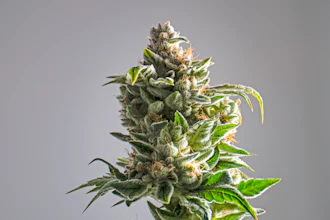
A processor buys a lot of biomass with a plan. The certificate of analysis looks right, the price is right and the batch is headed for a vape cartridge that calls for four percent terpenes. The extract comes off the line at six percent. Now the cartridge tastes wrong, the run misses its spec, and material meant to be product gets reworked. Nobody did anything careless. The model just left too much to chance.
The problem lives in the model
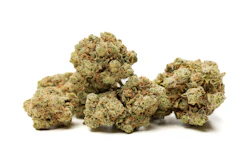
This happens because most operations still make finished concentrate products directly from biomass. That approach asks four independent variables to line up at once: the biomass on the market, the process you run on it, the product that results, and whether anyone still wants it by the time it clears testing. Hitting all four is luck dressed up as a plan.
For years the industry bridged that gap with a specific kind of talent. Every extraction team has one: the gifted operator who keeps the whole process in their head, reads the material by feel, and pulls great extract out of almost anything. That person is often the most valuable and passionate one on the floor. They're also a single point of failure. You cannot clone that intuition across seven facilities, and a process that lives in one person's mind never gets written down, audited or reproduced.
Two ingredients, then any product
There is a cleaner way. Split manufacturing into two disciplines that do not depend on each other.
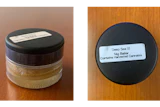
Extraction becomes the step that turns any biomass into standardized ingredients. Whatever comes in the door runs through the same process and comes out as two ingredients cut to a known target: a high-purity isolate that carries the potency, and a high-terpene extract that carries the flavor and aroma.
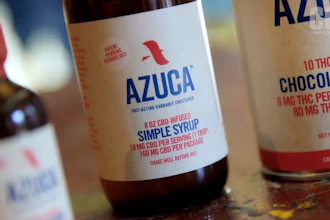
Formulation becomes a separate step that recombines those ingredients into finished products, following a documented recipe with targets for potency, viscosity, color, and terpene profile. A vape, an edible, a beverage, an infused pre-roll: almost everything but packaged flower is a formulation. Once your inputs are consistent, the recipe produces the same result every run.
The economics compound
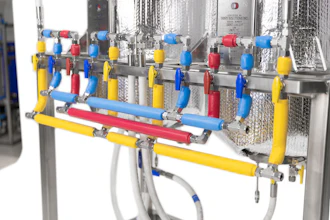
When you chase a target product from every biomass type, every variable needs its own procedure, and you end up with a hundred of them. No team follows a hundred procedures. When you make ingredients instead, extraction collapses to one sequence: extract, crystallize, separate. That is a single procedure you can train, document, and hold to a spec.
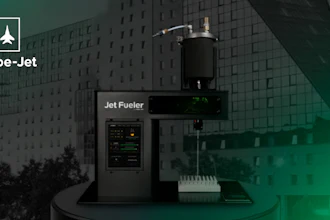
The formulation by ingredients model has been leveraged by extractors for years, but with one key difference: using distillation to produce a repeatable cannabinoid ingredient. This path runs material through multiple rooms and multiple passes of distillation, adds labor and equipment at each step, and still lands between 87 and 93 percent purity. Every pass yields one thing you want and one waste stream. A single-step approach that pulls high-purity isolate and terpene extract together yields two outputs at once, at higher purity, with less equipment, labor, and floor space.
The current terpene practice shows how far the old model strays. Many operators destroy the plant's own terpenes with heat during distillation, then buy isolated terpenes from a third party to rebuild the flavor they just removed. It's the equivalent of a winery pouring out the grapes and adding grape-juice flavoring. Blend the top ten terpenes to match a cannabis profile on paper and the lab results look identical. Put the two side by side and the difference is obvious, because the depth does not live in the top ten. It lives in the bottom ninety, a symbiosis of compounds too numerous and too costly to rebuild by hand. Keep the plant's terpene fraction intact and you hold something the additive approach cannot match.
Manufacturing end-product formulations using a just-in-time methodology also frees up cash. Making a product and hoping it sells ties up money in inventory built on last quarter's demand. Holding those two ingredients lets you formulate just in time, against real orders. Consumers always want something new, so a stable base you can turn into any SKU beats a warehouse holding a bet that already went cold.
Quality means repeatable
This is where quality gets defined correctly. Ask a consumer what quality means and you get a description of a top-shelf flower. Ask a quality manager and you get output that lands inside a tight tolerance, batch after batch, documented and traceable. That second definition is the one that scales. As medical cannabis reclassifies to Schedule III and export markets grow, the highest-value demand is opening only to operators who can meet cGMP or EU-GMP, both built on a documented process that yields the same result every time. You cannot bolt that onto a line that runs purely on feel and intuition.
The real obstacle is culture
When it comes to implementing improved manufacturing processes, the hard part is rarely the engineering. It's the organizational behavior. New practices can threaten the near-term roles of the very people asked to adopt them, even when the company's survival depends on it. Teams that treat "it has worked so far" as a strategy get overtaken by competitors who cut cost and tighten consistency every quarter. Culture and leadership decide whether an operation makes the jump before the market makes it for them.
The direction is clear. As the tools mature, operators will separate a terpene extract into its parts and formulate flavor and effect with precision. Medical and export demand will pull toward dosable formats like capsules over combustion and the category will consolidate the way every maturing manufacturing sector does, into three to five disciplined operators who take most of the market while the rest get acquired or squeezed out. An operator without a credible plan to be one of the few is planning to be one of the many. We built the Genome Technology Centre, the industry's first federally licensed extraction research and training center, to develop these methods in the open and turn them into standard practice.
None of this requires a rebuild on Monday. What it does require is one decision: treat extraction as the place you make an ingredient. Run the same process on every batch, hold two clean inputs, and let formulation carry the range. That single shift is what turns a craft into a scalable, sustainable manufacturing business.