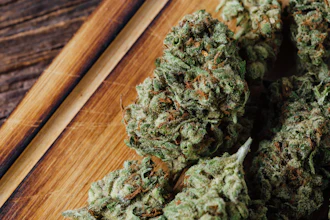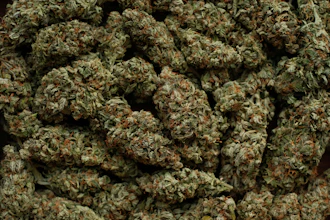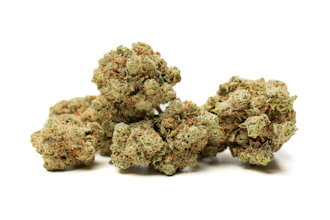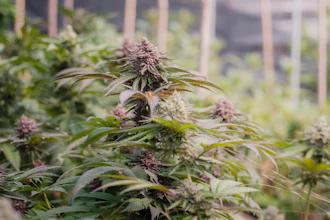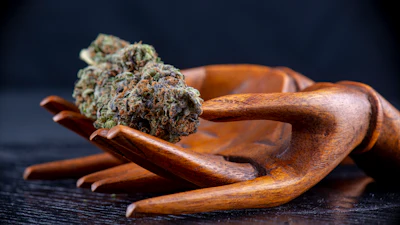
A growing number of THCA flower brands are structuring their product lines around cultivation method rather than strain alone, dividing catalogs into indoor, greenhouse, and outdoor tiers, each carrying its own price point and testing standard.
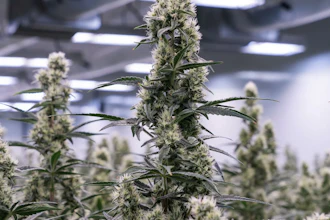
The shift tracks a broader pattern across cannabis cultivation generally. Indoor systems account for roughly 51 to 55 percent of cultivation activity industry-wide, according to separate 2026 market analyses from SNS Insider and Precision Reports, with greenhouse production holding a 28 to 30 percent share.
Wholesale pricing data shows why cultivation method has become a natural place to draw catalog lines. Indoor-grown pounds typically wholesale between $800 and $1,200, against $500 to $900 for light-deprivation greenhouse product and $400 to $650 for outdoor, according to a 2026 pricing breakdown from Hurcann.
A separate 2026 wholesale analysis found indoor exotic tiers testing between 25 and 32 percent THCA moving two to three times faster at retail than lower-potency product, giving retailers a clear commercial reason to separate and label tiers distinctly rather than blend everything into one undifferentiated flower category.
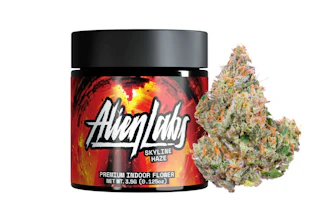
Some brands have built their entire retail identity around the distinction. A recent third-party buyer's guide singled out Black Tie CBD specifically for its four-tier structure, splitting Exotic, Indoor, Light Dep, and Greenhouse into separate collections with tier-specific pricing and a full-panel Certificate of Analysis published on its Exotic-tier flower. The brand also lists pound-quantity bulk pricing broken out by tier, letting wholesale buyers select cultivation method the same way retail customers do.
The trend lines up with where consumer expectations are heading more broadly. Eighty-eight percent of U.S. adults now believe cannabis should be legal in some form, according to Pew Research Center data cited in MJBizDaily's 2026 retail trends coverage, and that mainstream acceptance is raising the bar for what buyers expect from a label: clear sourcing, transparent testing, and enough product information to make an informed choice, not just a strain name and a price.
For cultivators and processors watching the category, catalog structure built around cultivation method looks less like a niche merchandising choice and more like where the broader THCA flower market is headed.