Glass House, a California-based cannabis grower, said it plans to significantly accelerate its 2026 expansion plans, a shift it said reflects positive development results and looming cannabis reform.
Prior to year-end 2025, the company returned to full production capacity within its existing greenhouses, following an ICE raid last year that resulted in a farmworker dying after a fall from a greenhouse roof.
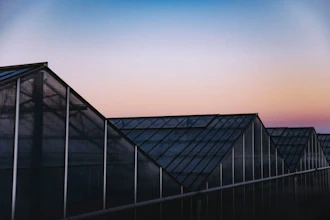
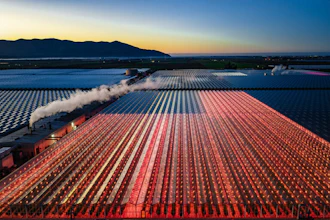
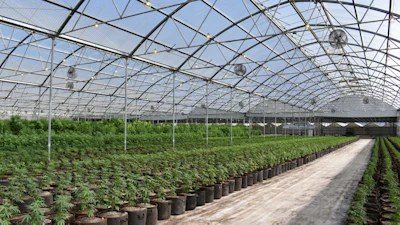
Now the company said it has completed the buildout of the first third of Greenhouse 2, which is its fourth operational greenhouse at the SoCal Farm. It said it ended the year with the most planted acreage in Glass House history.
Glass House had planned to complete the remainder of Greenhouse 2 later in 2026 but has accelerated the buildout with plans for full planting within the second quarter of 2026. In total, Greenhouse 2 provides an incremental annual production capacity of approximately 300,000 pounds of biomass.
In addition, the company has commenced a light retrofit and buildout of Greenhouse 4 with plans for production capabilities to target international CBD and hemp markets. Furthermore, it plans to be an eventual supplier to the reimbursable CBD market that will be created under President Trump’s December executive order for rescheduling.
“We excitedly await the final execution of President Trump’s executive order by Attorney General Pam Bondi. We are planning for the associated new business opportunities that we expect to come from cannabis rescheduling and the creation of the new Medicare reimbursement program for CBD. We remain confident that Schedule III under the current administration can provide cannabis export opportunities in the near term to Europe and other international markets. The wholesale biomass prices are expected to be meaningfully higher than those achievable in California," said Kyle Kazan, co-founder, chairman and CEO of Glass House, in a statement.
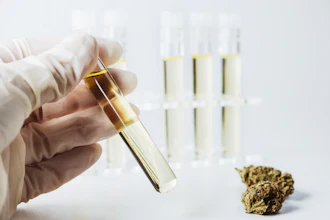
“Furthermore, we believe that Glass House is uniquely qualified to participate in the growth opportunities ahead for the U.S. CBD market. We have existing CBD and low-THC strains in the California market that we anticipate can be produced to comply with new federal regulations for consumer products and are actively engaged in the development of medicinal cannabinoids within our on-going hemp research partnership with the University of California Berkeley. Through this, we are confident that we can be a leading supplier in the potentially forthcoming pharmaceutical and CPG markets.”