Ongoing research reveals how the aroma of cannabis is not only heavily influenced by the chosen cultivar, but also by different drying and storage methods. Through a combination of high-resolution chromatography and human-perception aroma assessments, this project provides detailed insights into the impact of preparation and transportation on cannabis chemistry and how humans perceive and interpret its’ aromas.
Volatile organic compounds (VOCs) play a central role in plant communications with herbivores, pollinators, and other plants. In Cannabis sativa, these VOCs not only function as ecological signals in the wild but also shape the aroma perceived by humans.
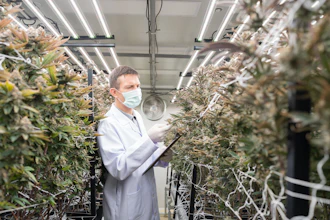
When grown commercially, the choice of cannabis cultivar can be incredibly important for ensuring the products will be attractive to consumers. Additionally, cannabis products require drying and storing to be transported, but the impact of cultivar choice and product preparation on their chemical characteristics and human response have not been well known until now.
This project, presented at the Society for Experimental Biology conference in Florence, Italy, highlights how these floral VOCs shape human aroma perception and identifies optimal drying and storage conditions that best preserve the chemical profile of cannabis inflorescences.
“From a human perspective, different varieties of cannabis smell differently, so the VOCs are strongly implicated in human decisions,” said Dr. Natasha Damiana Spadafora, an assistant professor at the University of Ferrara, Italy. “Of course, cannabis contains active cannabinoids such as THC, CBD and CBG, but people will naturally select varieties that they prefer the smell of.”
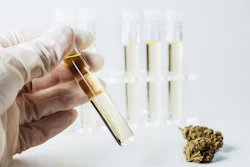
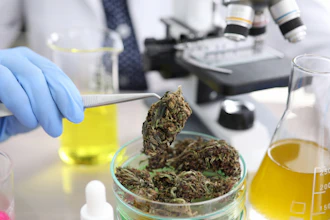
Spadafora sampled VOC profiles from a range of cultivars and storage conditions, using an absorbing material that trapped VOCs from the air around the plant material in a sealed container. The samples were then transferred to the lab, where Spadafora and her team used thermal desorption injection of the samples and two-dimensional gas chromatography and mass spectrometry (GCxGC-MS) to carefully analyze their content.
 Dr. Natasha Damiana Spadafora
“What really amazed me was the amount of information that I gained when I used the GCxGC-MS,” said Spadafora. “I could see which compounds were very important in creating the full experience of the aromas and explain some of their nuances.”
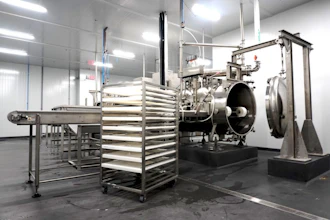
Spadafora’s analysis of the different drying methods revealed that freeze drying the cannabis preserved the active cannabinoids but caused significant aroma loss, whereas tray drying better preserved the natural VOC profile.
Her comparison of storage methods found that glass containers retained a broader VOC spread than polyethylene containers or open-air conditions, but it promoted the conversion of acidic cannabinoids into neutral forms (e.g. CBDA into CBD).
With regards to the six commercially available cultivars, 140 VOCs and seven different cannabinoids were identified, revealing a vast number of possible combinations and complex interactions. The VOCs detected included a variety of monoterpenes, sesquiterpenes, esters, and other minor VOCs that produce distinct VOC profiles and associated smells.
To investigate the effects of these different conditions on human perception of the VOCs, Spadafora and her team provided a panel of over 150 aroma assessors with a range of different cannabis cultivars prepared under different conditions and asked them to describe what they smelled and what they preferred.
This experiment revealed that people associated monoterpenes with bright, fresh notes, while sesquiterpene-dominated clusters are associated with woody and spicy scents.
Combining the results from the VOC analysis and the human assessor panel, Spadafora and her team have been able to characterise how cannabis cultivar choice and preparation methods can impact on human perception and preference, which affect consumer’s buying decisions.
With these findings, Spadafora has been able to provide informed recommendations on the best options for commercially growing, drying and storing cannabis. Spadafora has shared her recommendations with industry partners, who will use these insights to better understand the impact that cannabis cultivar selection and preparation can have on their final products.