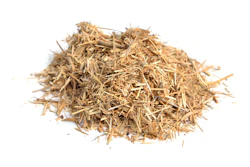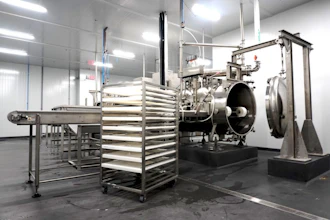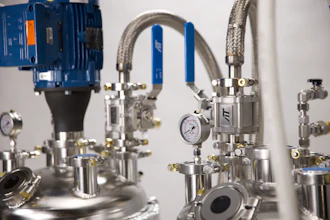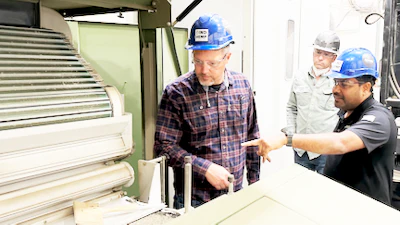
IND HEMP, a producer, processor and supplier of industrial hemp materials, today announced an investment in new fiber processing equipment at its IH Fiber decortication facility in Fort Benton, Montana. The investment adds a secondary processing line, featuring multiple fiber refining technologies to perform opening, cleaning and cottonizing, that brings IND HEMP's hemp fiber to a ready-to-spin quality directly at the source.
Once hemp fiber is spun into yarn, it can be woven or knit into a range of end products including garments, home goods and technical fabrics such as composites. Historically, reaching that spinnable quality has required additional refining beyond standard decortication, work that has fallen to third-party processors, or to the spinners themselves, upgrading standard decorticated technical fiber before it can run on their equipment. The commissioning of IND HEMP's new processing line brings that refining capability in-house, at the fiber's source.
"Consumers are increasingly looking for natural materials and more transparent supply chains, and brands are moving quickly to try to meet that demand. Hemp is an incredible plant-based solution, but until now the U.S. hasn't been capable of consistently delivering the quality and scale the global textile industry requires," said IND HEMP CEO Morgan Tweet in a statement. "By supplying ready-to-spin fiber directly from Montana, we're removing one of the biggest barriers for manufacturers wanting to work with hemp. This investment gives American-grown hemp the opportunity to compete on the global market, ultimately making its way into more of the products consumers want to buy."
The new line allows IND HEMP to offer multiple grades of cottonized fiber directly from its Fort Benton facility, ready for spinners and nonwoven manufacturers to use as supplied. Because refining now happens at the source, fiber yields and quality are improved, giving customers a more consistent fiber with better overall economics.