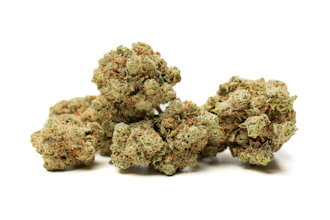
There was a time when cannabis retail was built around the big purchase: premium flower, over-the-top edibles like infused macarons, and the expectation that a trip to the dispensary meant stocking up. That reality has shifted as buying habits have changed. Consumers are still spending, but they’re spending differently, and retailers have to figure out what that means in real time.
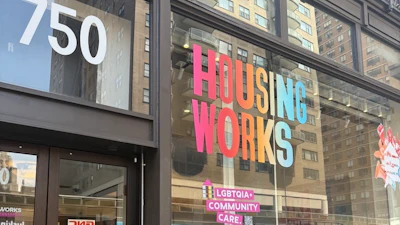
At Housing Works Cannabis Co, New York’s first licensed adult-use cannabis dispensary and the only nonprofit cannabis retailer in the state, we’re seeing that shift in the baskets customers are building. In the world of mainstream CPG brands, they call it “Doom Spending” or “The Little Treat Economy.” It’s when smaller items are thriving, but more expensive luxury goods struggle to sell. The principle is that when the cost of just about everything is going up, consumers may pull back on major purchases while still looking for small moments of enjoyment they can justify. In cannabis, that can mean a single pre-roll instead of an eighth or a THC beverage instead of a more expensive and potent tincture.
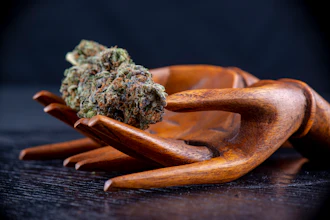
Pre-rolls have become one of our strongest categories by volume, and it’s easy to see why. They offer a lower-cost entry point and an easier impulse purchase than a premium indoor-grown flower jar or a large quantity of smalls. Drinks and entry-price edibles can serve a similar role, giving customers a way to try something new or treat themselves without making a significant financial commitment. These products aren’t necessarily replacing the traditional cannabis purchase, but they’re changing the size and frequency.
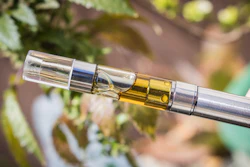
That doesn’t mean consumers have abandoned the categories that have historically driven cannabis retail. Flower, vapes, edibles and accessories still account for most of our sales, but we’re not seeing the same momentum across every premium category. For example, concentrates and tinctures aren’t showing the same energy as some of the more accessible products. While many state markets saw top-shelf concentrates thrive as consumers matured their tastes, that hasn’t necessarily happened in New York, despite legalization five years ago. Instead, consumers are gravitating to an infused pre-roll, which offers some of the potency of dabs at a more affordable price point.
Delivery offers another useful window into the shift. We continue to see demand, but the bigger trend isn’t necessarily a wholesale move from in-store shopping to delivery. The most interesting insight is still what customers are putting in their baskets. Delivery convenience matters to some consumers, but in-store trends carry over for them as well. By and large, our delivery customers are also gravitating toward smaller, more immediate purchases rather than placing a larger stock-up order or buying high-ticket items. Think more DoorDash, less grocery delivery in this current economy.
If consumers were simply walking away from cannabis, the response would be relatively straightforward: cut costs and wait for demand to return. Instead, consumers are still participating in the category while becoming more selective about where their discretionary dollars go.
The old playbook of putting high-priced flower on the shelf and waiting for customers to stock up isn’t enough anymore. Retailers need to watch basket composition, understand which price points are resonating and be willing to adjust their assortment, promotions and merchandising accordingly. A customer with $10 to spend needs a compelling reason to make that purchase just as much as the customer that is ready to spend $100.
Doomspending does not necessarily mean “doom for retailers,” though. These smaller-ticket items, centered on a moment of joy, create room for more creative promotions and pairings. Instead of simply discounting a product, retailers can build a small occasion around it: pair a pre-roll with an accessory, match a THC beverage with a complementary product or create limited-time bundles that make a modest purchase feel more special. We recently created pre-roll bundles inspired by different neighborhoods in NYC, and they resonated with consumers in a wholly different way than a daily promo would.
Accessories can be particularly useful here because they can add utility, novelty or a sense of discovery without requiring the customer to make a much larger cannabis purchase. Picking up those pre-roll packs? Why not grab a chic ashtray to go along with them? The goal is to give consumers more reasons to say yes to the spend they’re already willing to make.
 Sasha Nutgent, Vice President of Cannabis Retail at Housing Works Cannabis CoHousing Works Cannabis Co
After years of operating in a challenging industry, cannabis retailers overall are becoming more nimble and adjusting to consumer habits like mainstream brands. They have to, because while the cannabis consumer hasn’t stopped wanting to shop, they're asking more often whether it’s worth the price. For retailers, the answer can’t be to wait for the market to go back to the way it was. Those who pay attention and adapt to what customers want today will be the ones prepared for what comes next.
Sasha Nutgent is the VP of cannabis retail at Housing Works Cannabis Co, New York’s first legal dispensary.