The market is flush with weed drinks: seltzers, spirits and more – all infused with cannabis or hemp-derived THC – line the shelves of retailers and grocery stores. But Sammy Dorf and Brian Ward wanted to do something a little different.
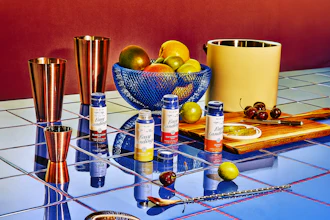
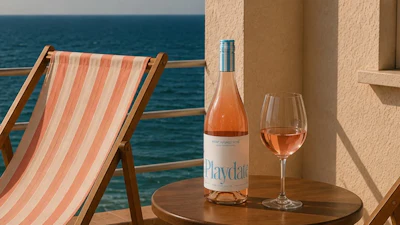
That’s what led them to launch Playdate, a non-alcoholic, THC-infused rosé that’s designed to taste like wine but with a different buzz.
Dorf, co-founder of Verano Holdings, one of the largest multistate cannabis operators in the country, and Ward, who served as CFO of Verano as well as CEO of Leaf Trade and Sweed, said they wanted a THC drink that could “sit on a restaurant table, that a server would bring out in a bottle.”
At $20 a pop, each bottle holds 15mg of hemp-derived THC with five servings at 3mg each, making it approachable for casual consumers. And Dorf and Ward said making their wine with hemp gives them an advantage by avoiding the regulatory complexity, distribution hurdles and banking challenges associated with cannabis.
“Hemp gave us a chance to build a consumer brand that lives in the same channels as the products it's competing with. The wine aisle. The hospitality group. The wine club. That's where Playdate belongs,” they told Cannabis Equipment News.
Still, Playdate will need to overcome a looming federal ban on hemp-derived THC and figure out how to make NA wine taste good. Dorf and Ward said they have a plan for both.
Non-alcoholic wine doesn't have a great reputation for tasting good. Can you tell me more about the process you developed to fix that?
Dorf: The reputation is earned. Most non-alcoholic wine tastes flat because removing alcohol also strips out the aromatic compounds that make wine smell and taste like wine and the standard fix is to add back sugar and grape juice. We didn't want to do that. We worked with a California wine producer that had developed a proprietary aroma-recapture process that pulls those compounds out before de-alcoholization and puts them back in after. What you end up with is something that actually tastes like wine. We spent two years on it because we knew that if it didn't taste good, none of the rest of it mattered.
Playdate rosé has a relatively light amount of THC per bottle. Was that a conscious choice?
Ward: Very conscious. A lot of what's out there in hemp beverages is designed around a stronger effect, which is fine, but it's a different use case. Playdate is built for the social moment, the same occasion where you'd have poured a glass of wine. That means a dose that's approachable for someone who's never tried a THC product before, and still enjoyable for someone who has.
Playdate says its rosé is produced at commercial scale. Can you elaborate on that?
Dorf: We're working with one of the largest wine producers in California, and we have the production capacity to support national retail and DTC at volume. When we say commercial scale, we mean a consistent product that can sit on a shelf in Chicago and Los Angeles and ship to a customer in Florida without any difference in quality or dosing. That consistency, particularly on the emulsion side, making sure every pour from the first glass to the last is the same 3mg, was a hard technical problem to solve. We solved it before we launched.
Can you tell me about any other products that Playdate has in development?
Ward: We're not ready to announce anything specific, but the vision for Playdate has always been broader than a single SKU. Rosé is the launch product because it's the right entry point. Where we go from here will be informed by how consumers engage with the bottle, what occasions they're bringing it to, and what they tell us they wish existed. We're listening closely.
The federal ban on hemp-derived THC is set to take effect later this year. How is Playdate preparing for that?
Dorf: Consumer demand for sophisticated non-alcoholic beverages is real and growing. Our job is to ensure that Playdate is positioned to meet that demand responsibly, compliantly, and in whatever structure the market ultimately takes.