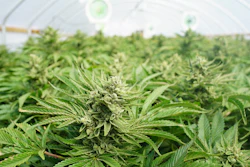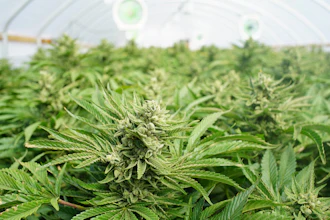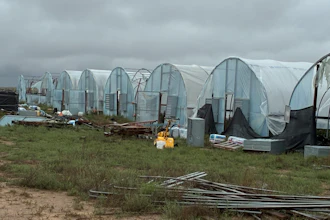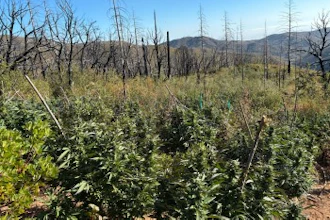
Oklahoma State Senator Darcy Jech this week held an interim study to explore how state agencies can work together to address what he called thousands of abandoned medical marijuana grow operations scattered across Oklahoma.
Jech invited state agency leaders to present on efforts to clean up abandoned cannabis farms following the passage of Senate Bill 913 in 2023, which sought to increase accountability for licensed grow operations. The legislation authored by Jech required marijuana growers seeking a license to post a surety bond of at least $50,000, which could be used to cover cleanup and property restoration costs if they abandoned their operations or their license was revoked.
“The Legislature passed Senate Bill 913 because abandoned marijuana facilities create real consequences for Oklahoma communities,” said Jech in a statement. “These sites can lead to environmental hazards, blighted properties and contaminated land that affects property owners and neighborhoods well beyond the grow itself. When this problem goes unaddressed, the cost of cleaning it up can end up falling on local governments and their taxpayers.”
Since voters approved State Question 788 in 2018, the state has issued more than 15,000 medical marijuana grow licenses. Currently, there are only 1,706 active grow operations. Many operations are simply abandoned when growers decide to stop producing or if their licenses are revoked, Jech said.
Throughout the study before the Senate Business and Insurance Committee, Jech questioned agency officials about how state agencies are enforcing SB 913 and working together to address this issue.
The Oklahoma Bureau of Narcotics and Dangerous Drugs is shutting down illicit marijuana grows, the Oklahoma Medical Marijuana Authority is regulating legal operations and the Department of Environmental Quality is addressing environmental concerns. These agencies are doing the best they can with the resources they have, Jech said.
“Oklahoma cannot have a system where the state is effective at shutting down unlicensed marijuana operations but ineffective at making sure the property is cleaned up afterward,” Jech said. “The Legislature has given state agencies the authority and the financial mechanism to address this problem. The question going into this study was whether those tools are being used and if additional tools may be necessary. The only way the state can effectively tackle this problem is if there’s cooperation between agencies.”
Although Jech is close to finishing out his final term in the Oklahoma Senate, he said the recommendations from the study will inform future legislative discussions and policy conversations ahead of the 2027 legislative session.