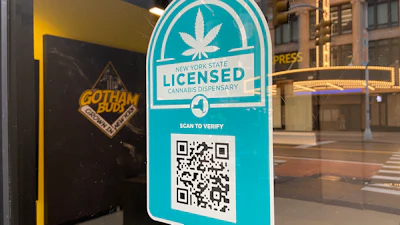
LAKELAND, Fla. — Metrc, provider of regulatory track-and-trace systems, this week announced findings from a new independent study showing strong patient and consumer support for state-issued QR codes that provide direct access to verified cannabis product information, lab testing results, compliance data and consumer safety resources. The research found that digital transparency tools are associated with greater consumer trust and confidence in regulated cannabis markets. It may also help encourage consumers who buy from illicit sources to consider legal products.
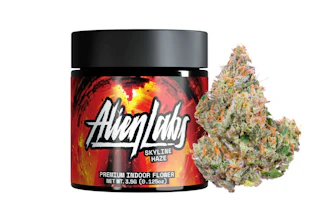
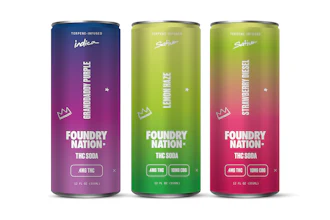
The study, “Transparency as Value: Past-Month Cannabis Consumer & Patient Responses to QR Code-Enabled Cannabis Product Information,” was conducted by Cannabis Public Policy Consulting (CPPC) and surveyed more than 3,000 recent cannabis consumers and patients across 33 legal U.S. jurisdictions with legal cannabis access. Respondents were shown a cannabis product featuring an interactive, state-issued QR code linked to detailed product, testing and licensing information, then asked about their perceptions of the information itself and the value of access to it.
Among the study's most notable findings, 100% of respondents reported that the state-issued QR code system made them feel more protected by their state cannabis regulator. Ninety-one percent reported it helped them better understand consumer safeguards and standards, while nearly 89% reported it increased their confidence in their state's legal cannabis market.
Consumers also placed significant value on QR-accessible information:
- 91% reported valuing state confirmation that a product is compliant
- 89% reported valuing lab testing results
- 88% reported valuing recall notifications
- 86% reported valuing detailed product information, including licensing details and cannabinoid and terpene profiles.
The study also suggests that transparency tools may influence sourcing behavior.
- 88% reported that having access to the information would help them distinguish regulated products from unregulated alternatives
- Nearly 90% reported that having access to the QR code functionality would make them more likely to purchase from a licensed dispensary rather than an illicit source.
The study also found broad support for making state-issued QR code transparency a standard feature across regulated cannabis products. More than 95% of respondents agreed that consumers should have the same level of information regardless of product type, indicating a preference for consistent, regulator-backed transparency across the marketplace. The findings build on growing interest among regulators and industry stakeholders in digital transparency tools that can provide consumers with information that is difficult or impossible to communicate through traditional cannabis packaging and labeling alone.
Based on the findings, the study concludes that regulators and industry stakeholders should consider standardizing state-issued QR code-enabled transparency systems across all regulated cannabis products, paired with consumer education campaigns to build awareness of the system's laboratory verification, licensing, recall notification, and public health resource features. The report also recommends that systems maintain visible state regulatory branding to maximize perceived legitimacy and trust.
The research was conducted as a cross-sectional online survey administered via Qualtrics and Cint Global Marketplace Community Research Panels among 3,061 recent cannabis consumers and registered medical patients across 33 U.S. jurisdictions with operational medical and/or adult-use cannabis markets. An Institutional Review Board reviewed and approved the study under Exempt Status in accordance with federal law. The complete report includes the full methodology, limitations and statistical findings.