As new cultivars pop up in the cannabis industry, it can distract from the work of preserving the decades of genetics that came before.
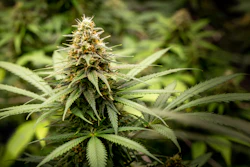
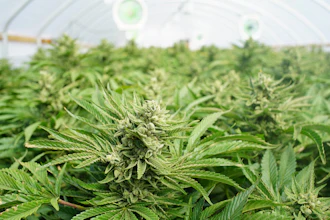
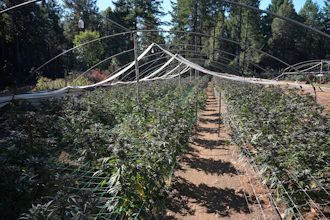
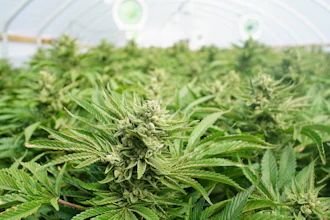
NorCal Seeds & Genetics (NSG) takes the work of documenting and saving those genetics seriously. At its Yolo County R&D site, approximately 600 cultivars are now flowering side by side.
NSG CEO Co-Founder Jennifer Michaels said the project represents the culmination of decades of collecting, preserving and breeding cannabis genetics, combined with the company’s commitment to bringing greater scientific understanding and credibility to the field.
“Our private repository encompasses an extraordinary range of genetic diversity, including legacy cultivars, landraces and proprietary breeding lines. Preserving this material requires more than maintaining viable seeds. It means safeguarding genetic diversity, protecting unique and potentially irreplaceable traits, maintaining genetic integrity, honoring their origins, preserving historical knowledge and ensuring that important genetics remain available for future generations,” she said.
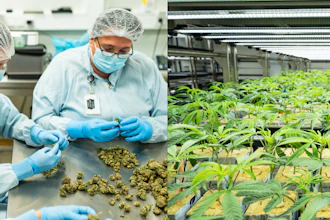
NSG’s work now is advancing independent scientific characterization with LeafWorks and Tryptomics. Michaels said the resulting genetic analysis can provide valuable insight into genetic identity, variation and relationships, while advanced chemical profiling can help us better understand the diversity of cannabinoids, terpenes and other compounds expressed by different cultivars.
“One of the industry's greatest challenges is that cultivar names don't necessarily establish genetic identity or authenticity. Without reliable scientific evidence, it can be difficult to distinguish closely related material or substantiate claims about a cultivar's origins,” she said. “Our goal is to move beyond names and assumptions toward scientifically supported identification, greater transparency and a deeper understanding of the genetic diversity we've spent decades preserving.”
Cannabis Equipment News reached out to Michaels to dig deeper into what preservation means for the future of cannabis genetics and how the industry can better hold onto its history.
Cannabis Equipment News: Why does preservation mean so much to cannabis genetics?
Michaels: Because once genetic diversity is lost, it may be impossible to recover.
Cannabis has an extraordinary genetic history shaped by geography, adaptation, traditional cultivation and generations of breeding. Each distinct genetic line may carry characteristics that have value far beyond what we recognize today.
 Jennifer Michaels
For those of us who have worked with this plant for decades, preservation is also deeply personal. I remember cultivars with distinctive aromas, flavors and characteristics that are increasingly difficult to find. Names like Skunk, Acapulco Gold and Panama Red bring back memories, but preserving a name isn't the same as preserving the original genetics.
Beyond nostalgia, genetic diversity is essential for future breeding and scientific discovery. It provides opportunities to explore characteristics such as environmental adaptation, disease resistance, chemical diversity and other traits that may become increasingly important.
We can't predict which genetic traits researchers or breeders will need decades from now. That's why we have a responsibility to preserve them today.
Preservation isn't simply about protecting the past. It's about keeping possibilities open for the future.
CEN: What does the industry need to change to better preserve genetics?
Michaels: The industry needs to start treating genetic diversity as a valuable, finite resource rather than focusing so heavily on short term commercial trends.
For years, much of the market has prioritized THC percentages, visual appearance, yield and a relatively narrow selection of popular cultivars. While those characteristics have commercial importance, they don't capture the full genetic or chemical complexity of the plant.
When breeding repeatedly relies on closely related genetics, we risk narrowing the diversity available for future development. At the same time, inconsistent naming, incomplete breeding records and limited scientific characterization make it difficult to establish genetic identity and distinguish authentic material from unverified claims.
 Jennifer Michaels
We need better preservation practices, standardized documentation, independent scientific validation and greater accountability for how genetics are identified, maintained and represented. Genetic characterization, chemical profiling, reliable provenance and documented breeding histories should become fundamental components of responsible genetic stewardship.
We also need greater recognition and protection of the intellectual property created by breeders who have dedicated years, and sometimes generations, to developing unique genetics. Their contributions represent an important part of the plant's history and should not be overlooked.
Ultimately, the industry needs to move from relying on names and claims to building confidence through evidence, documentation and science.
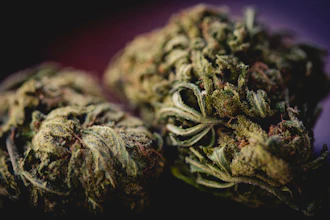
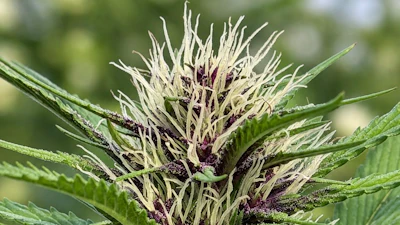
One of the most remarkable aspects of working with diverse genetics is experiencing the differences firsthand. The variations in plant structure, growth characteristics, aromas and chemical expression remind us how much diversity exists beyond what consumers typically encounter in today's marketplace.
We need to move beyond judging cannabis primarily by THC percentage and appearance and begin recognizing the broader value of genetic and chemical diversity.
That's what we're working toward at NorCal Seeds & Genetics: preserving important genetics, advancing scientific understanding and helping establish a stronger foundation for future generations of breeders and researchers.
You can't protect what you don't understand, and you can't preserve what you haven't identified.